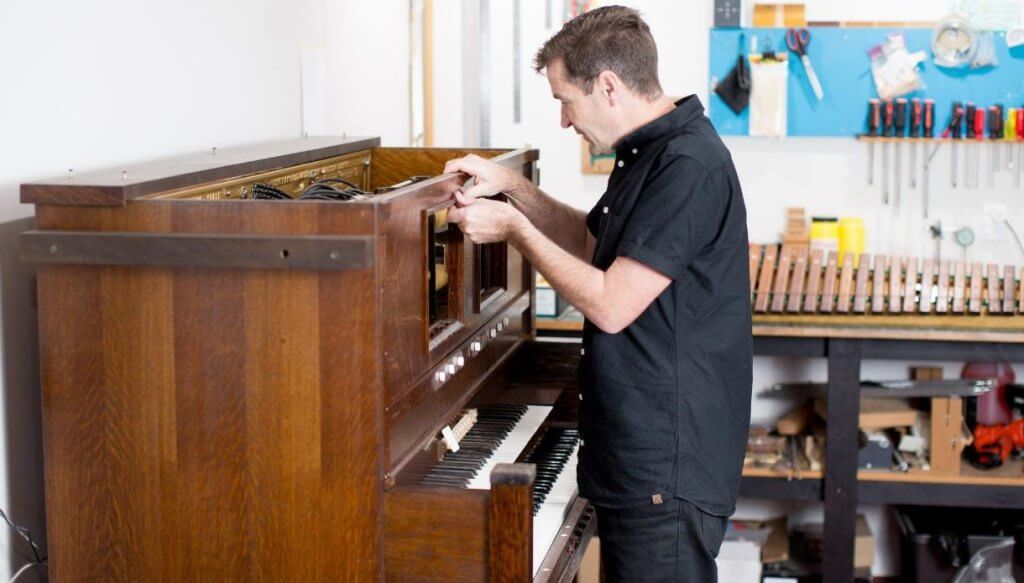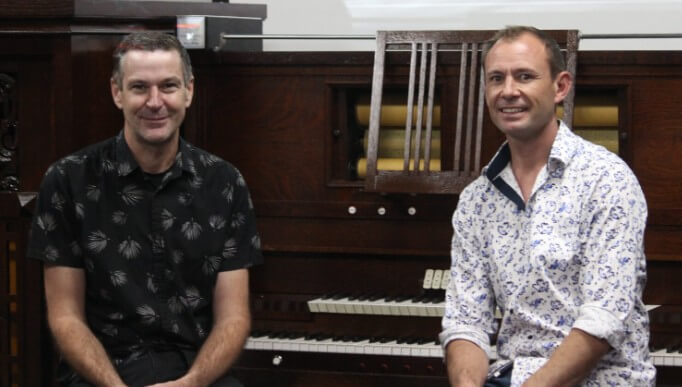
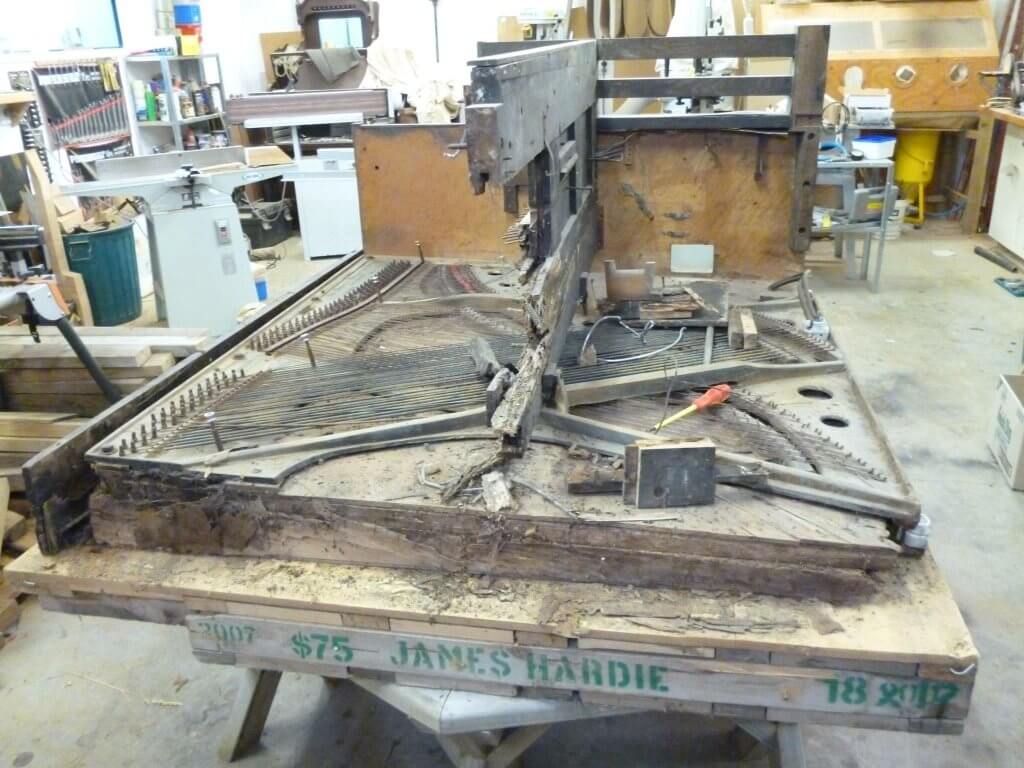
This beautiful instrument was a restoration project that was found in a garden shed sitting on bare earth for 25 years.
Photoplayers
Photoplayers were the beating heart of early movie theatres long before films had voices of their own. Built mainly between 1910 and the late 1920s, these remarkable machines combined a player‑piano mechanism with organ pipes, percussion effects, and hand‑operated controls that allowed a single musician to create an entire soundscape.
In their day, they were marvels of engineering: belts, pneumatics, bellows, and hundreds of moving parts all working in perfect coordination.
Between 1911 and 1926, around 4,500 photoplayers were manufactured and used in theatres. The American Photo Player Company produced the Fotoplayer; the Operators Piano Company of Chicago produced the Reproduco; the Bartola Company of Wisconsin made the Bartola; and Wurlitzer took up crafting Photoplayers.
Wurlitzer Model K
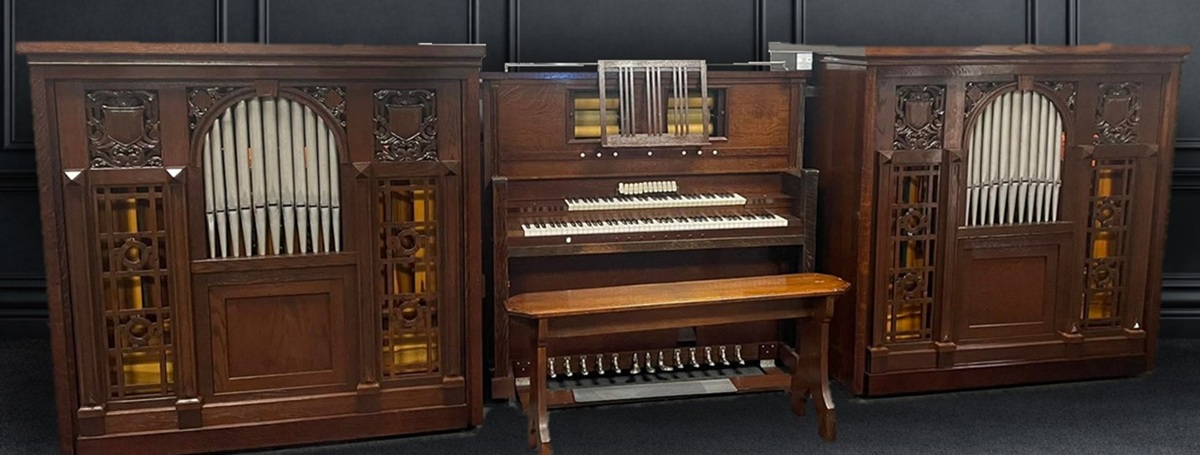
This 1915 Wurlitzer Photoplayer Model K, one of only two known to be functioning in the world, was originally housed at the Strand Theatre on Queen Street in Auckland. It was found rotting in a garden shed, damaged by the weather and a far cry from the model which had pride of place at the Strand.
Before
After
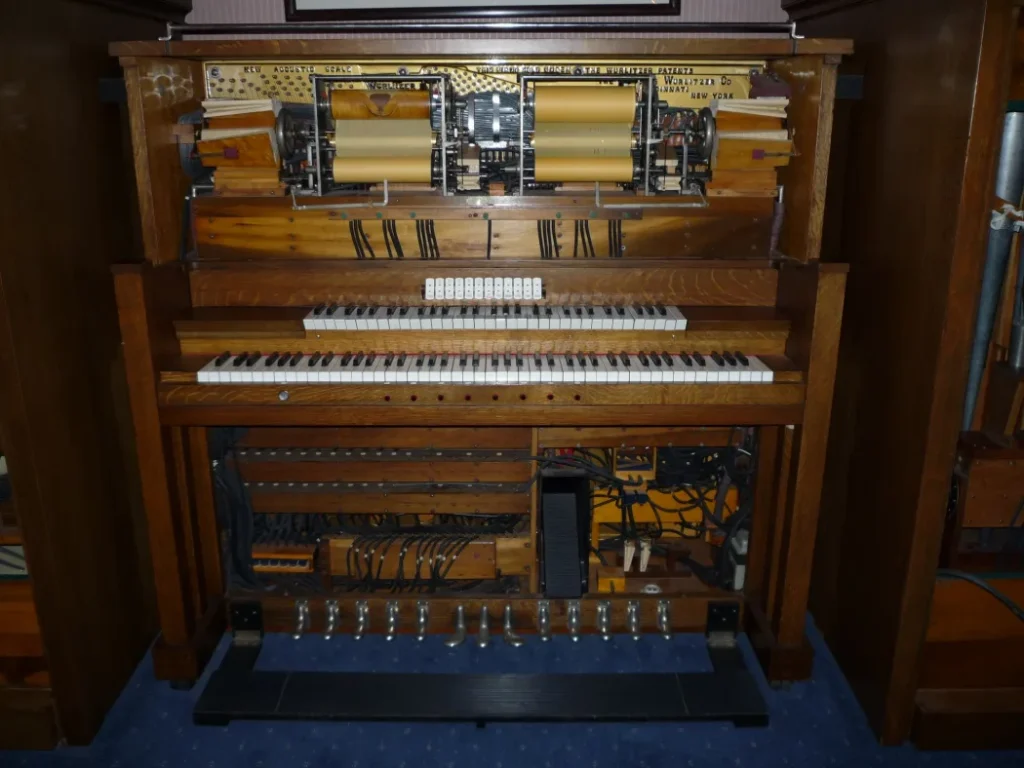
The Photoplayer Restoration Trust was formed in 2010 by a group of retired volunteers in Opotiki whose aim was to raise funds to restore the photoplayer and maintain it for future generations. After two years of research and an extensive feasibility study, they engaged us to undertake the restoration.
Around 5m long, weighing in at around 1 metric ton, its restoration consumed our lives for the better part of 8 years, and is now fully functional.
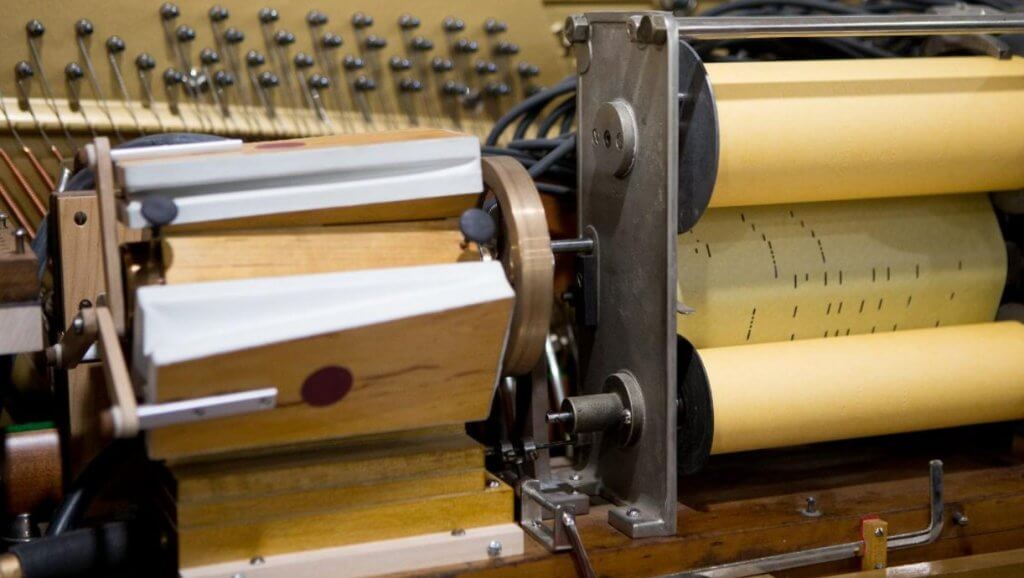
Photo players gave sound to silent movies, previously known as photo plays, before ‘talkies’ made them redundant. This one replaced a 15-piece orchestra. Photoplayers can be played manually, or automatically. The music is programmed on paper rolls including percussion and which instruments to use. This Wurlitzer Model K uses suction and blow to actuate hundreds of valves and pneumatics to create the music.
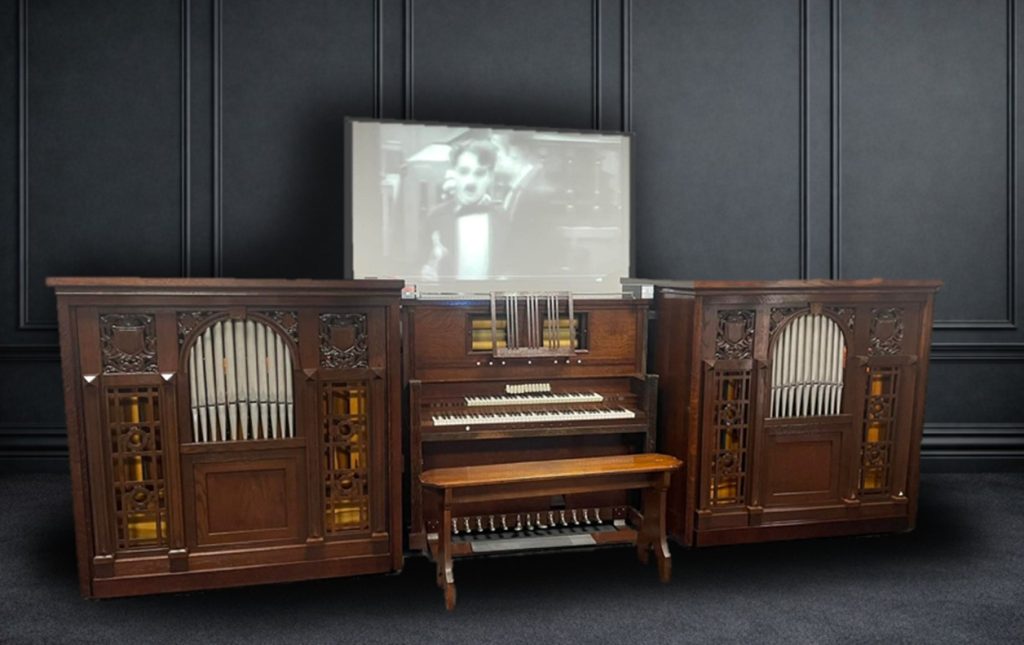
Our guests get to see a silent movie and witness what moviegoers used to queue for early last century.
This Wurlitzer Model K is on the Ministry for Cultural and Heritage’s Nationally Significant Object Register. After having more than $600,000 spent on its restoration it cannot be removed from New Zealand.
We found missing parts around New Zealand and travelled to the United States and Australia for more. Few people in the world know how to look after and repair this instrument, such is its complexity and rarity.
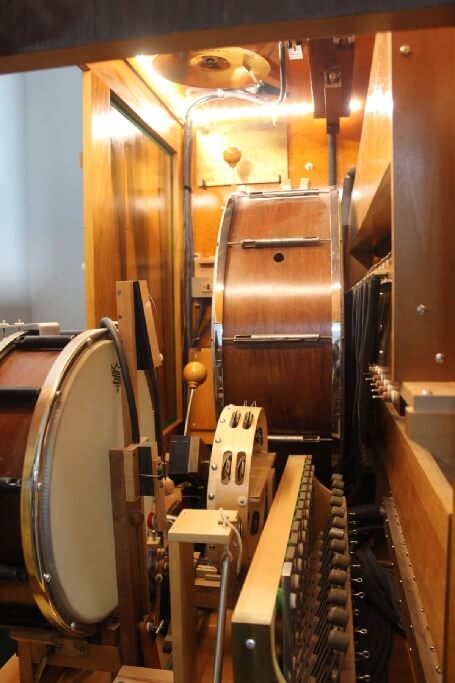
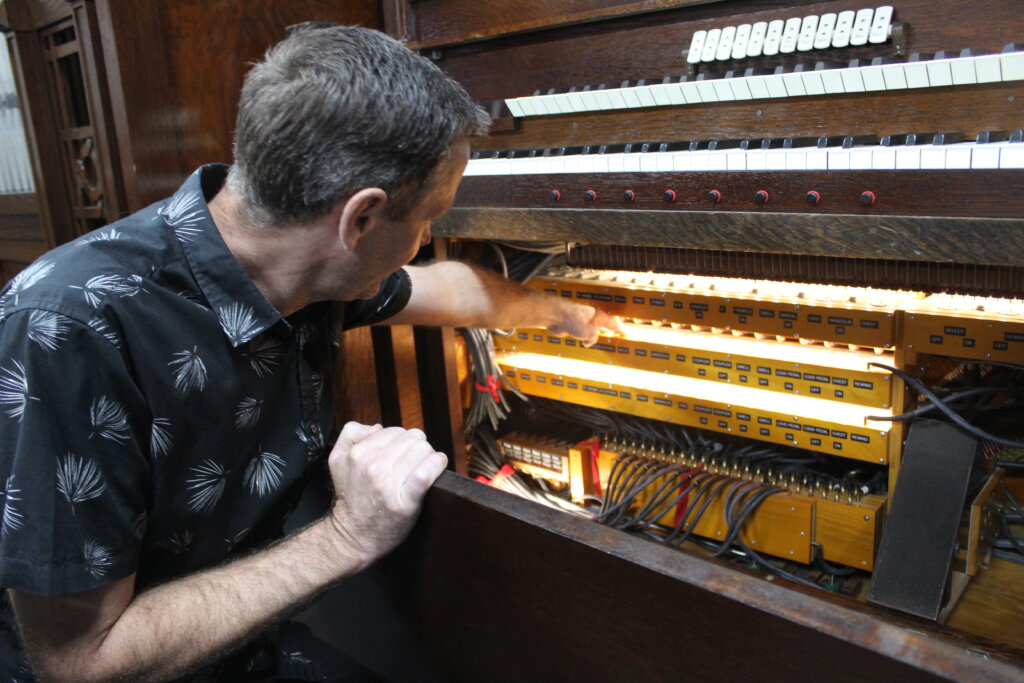
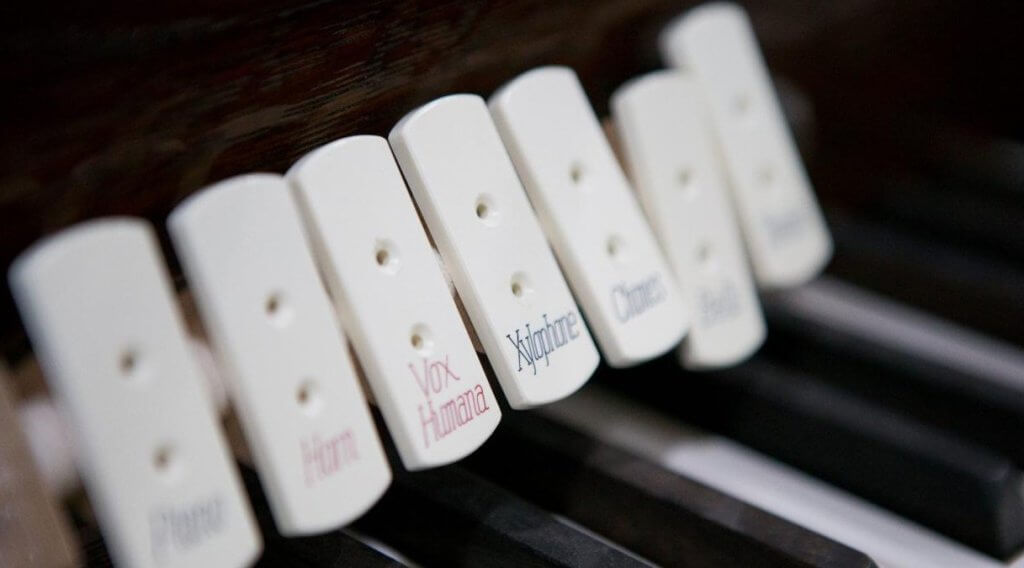
In addition to its traditional style piano and organ, the Model K uses pipes to imitate the sounds of other instruments, like violin, cello, flutes and trumpets and has a range of instruments built in including cathedral chimes, glockenspiel, xylophone and percussion section.
292 Model Ks were made. Only seven of those were exported and all to Australasia.
As soon as movies came out with their own soundtracks, these were literally boarded over. At the time, they didn’t know they were going to become obsolete and collectable.